The Crude Reality of 2026
5 Surprising Shifts Reshaping the Global Energy Map
The mid-January energy landscape presents a deceptive calm that masks a period of intense structural realignment. On January 15, 2026, NYMEX WTI February futures hovered at $59.17/b, while Brent sat at $63.59/b. However, this price floor is fragile; flat prices declined sharply following de-escalating geopolitical rhetoric between the US and Iran. Beneath these headline figures, the European refined product sector is grappling with a “super weak” market environment where shifting trade flows, regulatory deadlines, and physical disruptions are decoupling local cash differentials from global crude benchmarks.
1. The Gasoline Paradox: Strong Cracks in a “Super Weak” Market
European gasoline is currently defined by a stark contradiction: unseasonably high refinery margins existing alongside an oversupplied, “lengthy” physical market. While traders in Northwest Europe and the Mediterranean characterize the environment as “pretty bad,” refineries are running at maximum capacity to capture the front-month FOB AR Eurobob barge crack, which Platts assessed at $10.85/b.
This incentive to maximize tonnage has led to a rapid accumulation of inventories that is now actively pressuring cash differentials.
“It is a pretty bad market, it is super weak… [It] looks like we have been building stocks quickly,” a European trader noted on January 15.
With supply significantly outweighing demand in both the Mediterranean and Northwest Europe, the market is facing a widening supply-demand mismatch that threatens to erode those very cracks as stocks continue to build.
2. The Sanctions Finality: The January 2nd Deadline
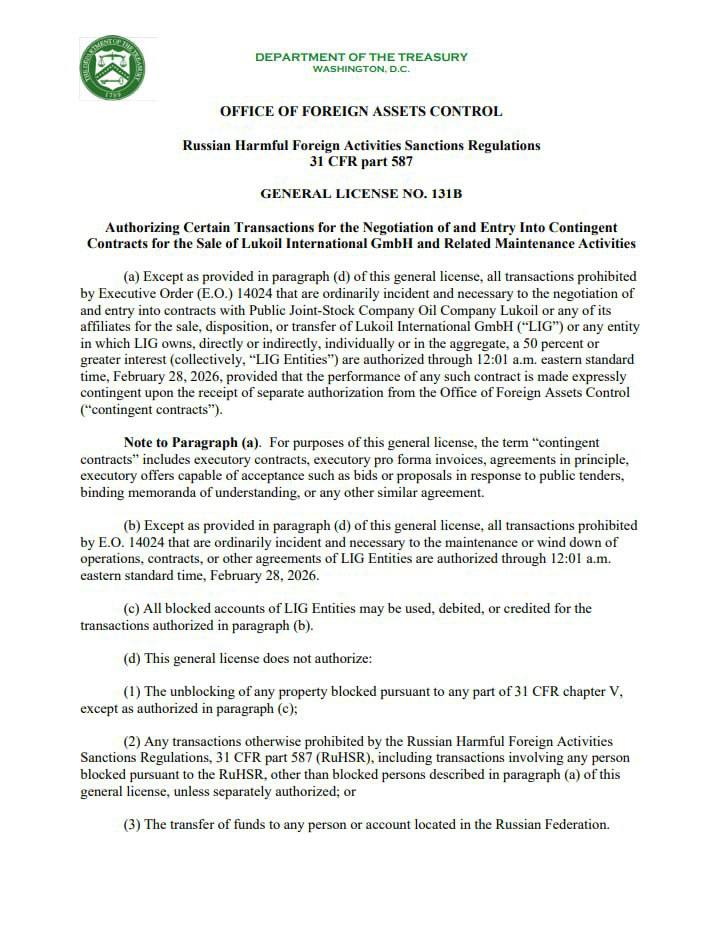
The “sanctions hangover” has officially arrived. Following the implementation of EU Council Regulation 2025/1494, the transition period for products derived from Russian crude has ended. While the cargo exclusion began on December 15, 2025, the January 2, 2026, deadline for barges marked the absolute finality of Russian molecules in European price assessments.
To navigate this new regulatory reality, the Market on Close (MOC) process now operates under rigid performance guidelines:
- Implicit Guarantee: All bids and offers reported in the MOC carry an inherent guarantee that the product satisfies the EU import ban.
- Enhanced Due Diligence: Sellers must provide certificates of origin and meet stringent evidence requirements, a mandate that is particularly critical for third-country refineries served by ports shared by other facilities.
3. Jet Fuel’s Geopolitical Chess: The Shift from India to Kazakhstan
The implementation of the Russian oil ban has direct consequences for aviation fuel. Historically, Indian refineries—utilizing Russian crude—provided approximately 20% of Northwest Europe’s jet fuel imports. Under the new sanctions regime, these volumes are increasingly at risk, forcing European buyers to pivot toward Middle Eastern and alternative regional supplies.
Sensing a vacuum, Kazakhstan has launched an aggressive strategy to position itself as a “key aviation transit hub” between Europe and Asia. KazMunayGaz-Aero has slashed jet fuel prices for foreign airlines from $1,200/mt to a range of 900–1,000/mt. This move aims to lure carriers like Lufthansa and Emirates to its airports, capitalizing on the continued absence of direct flights between the EU and Russia.
4. The Sustainable Fuel “Hangover”: Mandates vs. Economics
Despite the strict 2026 mandates, the Sustainable Aviation Fuel (SAF) market has seen a quiet start to the year. The industry is currently mired in a “reporting season hangover” lasting through February 14, as suppliers prioritize 2025 compliance over new 2026 procurement.
“We’re still dealing with the hangover of 2025 mandates… which has led to a quiet start for our procurement for 2026 so far,” explained one SAF supply manager on January 15.
The economics are further complicated by a shift in China, where producers are pivoting from SAF back to HVO (Renewable Diesel). However, this shift is not a simple arbitrage; the impact of anti-dumping duties on HVO volumes imported into Europe creates a significant trade barrier. While European SAF prices remain weak—with the SAF (HEFA-SPK) premium to jet barges falling to $1,540/mt—the UK government’s newly launched SAF revenue certainty mechanism provides a strategic counter-weight that may eventually unlock the investment needed to bypass these administrative bottlenecks.
5. Infrastructure Under Fire: Freight at Two-Year Highs
Physical supply anxieties are providing a firm floor for market differentials and transport costs, even as crude prices soften. In Southern Russia, drone strikes have taken the Novoshakhtinsky and Tuapse export-oriented refineries offline, while the Ilsky facility continues to operate at reduced capacity.
This disruption, combined with ongoing tensions in the Red Sea and Suez, has sent freight rates soaring. Aframax rates between the US Gulf Coast and the UK Continent reached a two-year high of $52.21/mt on January 14. While nations like Libya attempt to bridge the gap—targeting an upgrade of their 380,000 b/d capacity (currently producing only 180,000 b/d)—the immediate reality is one of localized scarcity and high logistical premiums.
Conclusion: The Road Ahead
The global energy market of 2026 is caught in a tug-of-war between de-escalating geopolitical tensions and the rigid, administrative weight of a new regulatory era. While the Russian ban has permanently redrawn the map for middle distillates, the immediate challenge for the industry lies in the “administrative hangover” of the green transition.
As we move toward the February 14 reporting deadline, the question for strategies is clear: Can the market’s sustainable ambitions survive the friction of its own mandates, or will the “super weak” fundamentals of 2026 force a more drastic policy recalibration?